Exeter: A Beer Adventure
The evening before our adventure, and with the Good Beer Guide (2025 edition) in hand, my brother and I planned a leisurely walk around Exeter, using Exeter Central train station as our starting point.
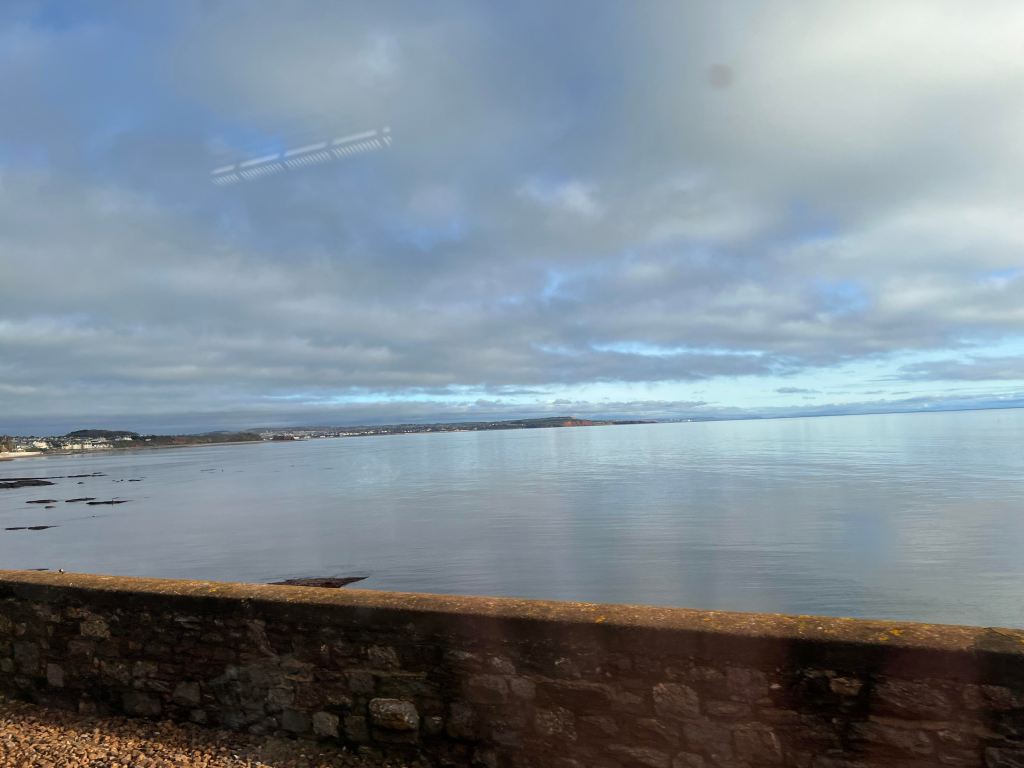
The Exter to Paignton Line serves the stretch of the train journey we needed to get from Newton Abbot to Exeter. The train journey itself was a delight—my first time experiencing the breathtaking Dawlish sea view from the carriage window.
When Things Go Wrong
Our first stop was one of the pubs listed in the Good Beer Guide (GBG), but it didn’t live up to expectations. I won’t name the establishment here—things can go awry, and the life of a landlord is far from easy—but I left my pint unfinished, disappointed.
The tasters seemed fine, if unremarkable, so we confidently ordered our beers and settled in. But what went wrong?
Dispense is, in my opinion, the hardest part of serving real ale. Keeping three or four perfectly conditioned beers on tap week in, week out is no mean feat, and those that manage it deserve a round of applause. GBG pubs are often those rare gems that consistently achieve this standard, with real ale fans voting them in—discerning drinkers who won’t tolerate subpar pints.
Yet a small taste may not always reveal a beer’s full body, complexity, or flaws. It’s a reminder that the perfect pint can sometimes be elusive.
Factors That Affect Beer Quality
Several variables can impact the quality of your pint:
- Beer Lines: If the beer lines are lengthy, you might get the last dregs from the barrel, which can be flat or oxidised.
- First Pull of the Day: If you’re the first customer of the day, the beer sitting in the line might be warmer and less conditioned than ideal.
- Staleness: Cask ale starts to stale once oxygen enters. After five or six days, you may detect a vinegar-like tang.
- Cloudiness: If the cask has been disturbed, you might get a pint with sediment—dead yeast, hop particles, or other insolubles.
Adjusting Plans
With the other GBG pubs yet to open (a glaring oversight on our part), we ventured into town for our own reconnaissance. We ended up drinking Hanlon’s beers, primarily Yellow Hammer and Santa’s Hammer—both kept well.
Hanlon’s, a Devon brewery, began brewing in Vauxhall, London, in 1995 before relocating to Devon in 2000—perhaps trading urban hustle for rural tranquillity?
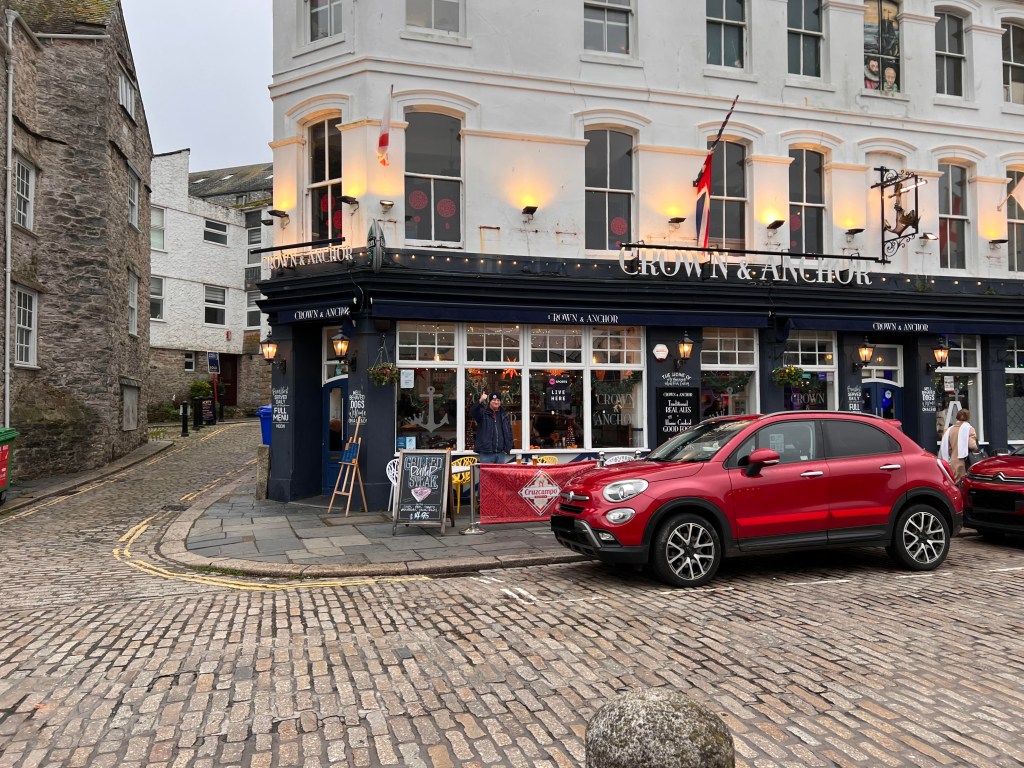
By the quay, we found two charming spots with excellently kept beers. One stood out as the hero of the day.
The Prospect Inn
Once called The Fountain Public House (1823), this pub adopted its current name, Prospect Inn, in 1956. According to Exeter Memories, Frank and Alma Ward won the pub in a competition, with none other than actress Diana Dors handing over the keys!
The pub’s history is as colourful as its views, including an 1862 caution to the landlord to “conduct it in a better manner.” These days, it’s a food-focused venue, but we were warmly welcomed without any pressure to dine.
The beers were immaculate, the atmosphere inviting, and the décor delightful. Regrettably, I didn’t snap any photos.
So what did we learn?
- Check Opening Times: Avoid the heartbreak of shuttered doors.
- Timing is Everything: Find out when the pub opened that day—early pours may suffer from less-than-ideal conditions.
- Ask Around: Observe the locals. What are they drinking? A quick chat might reveal the pub’s most popular or best-kept beers.
Exploring Exeter proved to be an adventure of discovery, and while not everything went to plan, the day was saved by quality beers, good company, and a dose of local history. Cheers to that!
 Pour Decisions